GBV SAFETY AUDIT: KUMBA AND EKONDO-TITI
“When evidence speaks, action must follow. Every woman and girl deserves to live free from fear.”
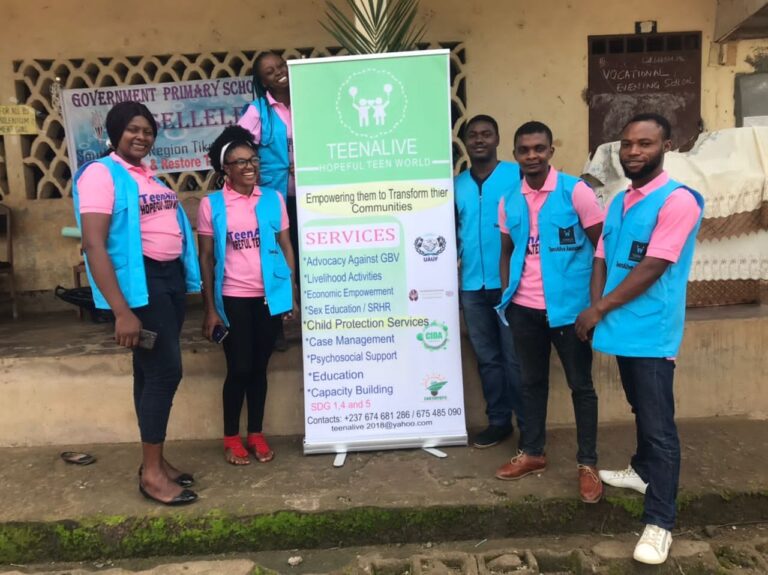
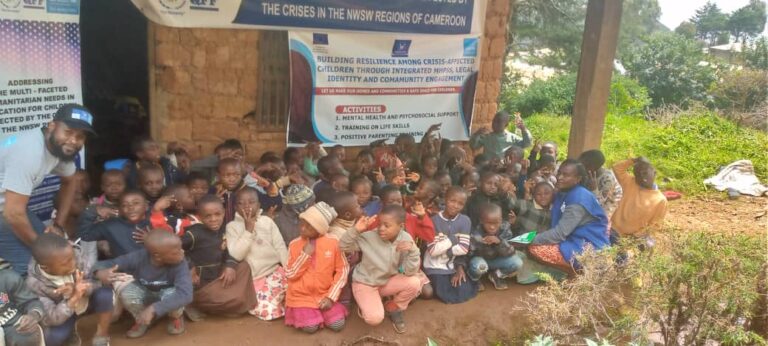
Across Kumba in Meme Division and Ekondo Titi in Ndian Division, the impact of Cameroon’s Anglophone crisis continues to expose women and girls to serious protection risks. In partnership with UNFPA and with funding from ECHO, TeenAlive Association has completed the third phase of Gender Based Violence (GBV) Safety Audits in both locations, providing updated evidence on the realities facing internally displaced persons, returnees, and host communities in the South West Region.
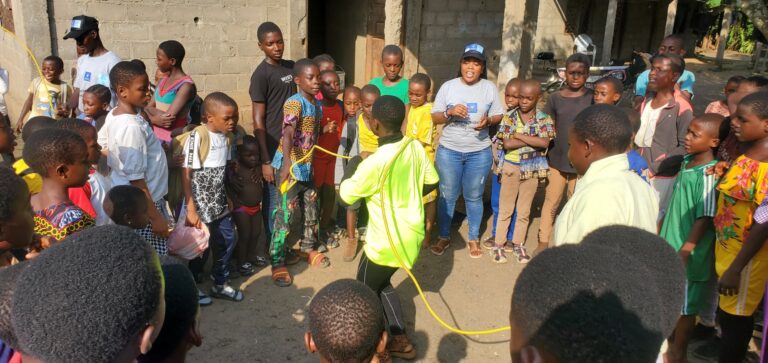
The assessments used a participatory approach, bringing together focus group discussions, key informant interviews, safety walks, and service mapping to better understand the safety concerns of women and girls and identify critical gaps in protection and service delivery.
In Kumba, the audit covered the communities of Kosala, Fiango, Barombi Kang, Hausa Quarter, and Meta Quarter. The findings show that intimate partner violence and domestic violence remain the most commonly reported forms of GBV, identified by every key informant. Sexual violence was also highlighted as a serious and underreported concern affecting both adult women and adolescent girls. Women and girls reported facing heightened risks during everyday activities such as collecting firewood, fetching water, and using latrines or bathing facilities, particularly after dark.
The assessment also revealed significant gaps in protective infrastructure. Two of the three assessed sites had no night lighting, only one site had reliable access to safe water, and armed actors were observed near community spaces, including close to a health facility. Safe spaces for women and girls were almost nonexistent, while most households reported receiving little or no humanitarian assistance.
In Ekondo Titi, the findings were even more alarming. Sexual violence emerged as the most prevalent form of GBV, identified by all key informants for adult women and by almost all for adolescent girls, representing the highest levels recorded across the three phases of the safety audits. Domestic violence and intimate partner violence were also widely reported, reflecting the continued risks women and girls face within their homes and communities.
The audit further revealed severe deficiencies in the physical safety environment. None of the assessed communities had functional night lighting, and every latrine and bathing facility lacked doors, locks, and lighting, leaving women and girls without privacy or security. Homes and temporary shelters were consistently overcrowded, damaged, and structurally unsafe. Fear of insecurity continues to restrict freedom of movement, yet many women still travel alone to meet their daily needs, increasing their exposure to violence. The absence of food assistance, essential nonfood items, and specialized GBV response services has further deepened their vulnerability.
Taken together, the findings from Kumba and Ekondo Titi present a clear picture. Women and girls continue to live in environments where inadequate infrastructure, limited essential services, and weak protection systems leave them exposed to violence. The evidence gathered over three rounds of safety audits shows that while protection risks remain high, humanitarian interventions have not kept pace with the growing needs of affected communities.
Based on these findings, TeenAlive Association and UNFPA are calling for urgent, coordinated action. Priority interventions include installing solar powered lighting around communities and sanitation facilities, equipping all latrines and bathing spaces with functional lockable doors, expanding access to Clinical Management of Rape services through trained female health providers with post exposure prophylaxis and emergency contraception, strengthening mobile legal aid services, and increasing humanitarian assistance for vulnerable women, girls, and their families.
Protection cannot remain an afterthought. The findings of these safety audits are a call to action for humanitarian partners, government authorities, donors, and community leaders to translate evidence into concrete action. Every woman and girl deserves to live in a community where her safety, dignity, and rights are protected.
The full GBV Safety Audit reports for Kumba and Ekondo Titi are attached for reference.